Lung Cancer CT Scan: An Essential Tool for Early Detection and Management
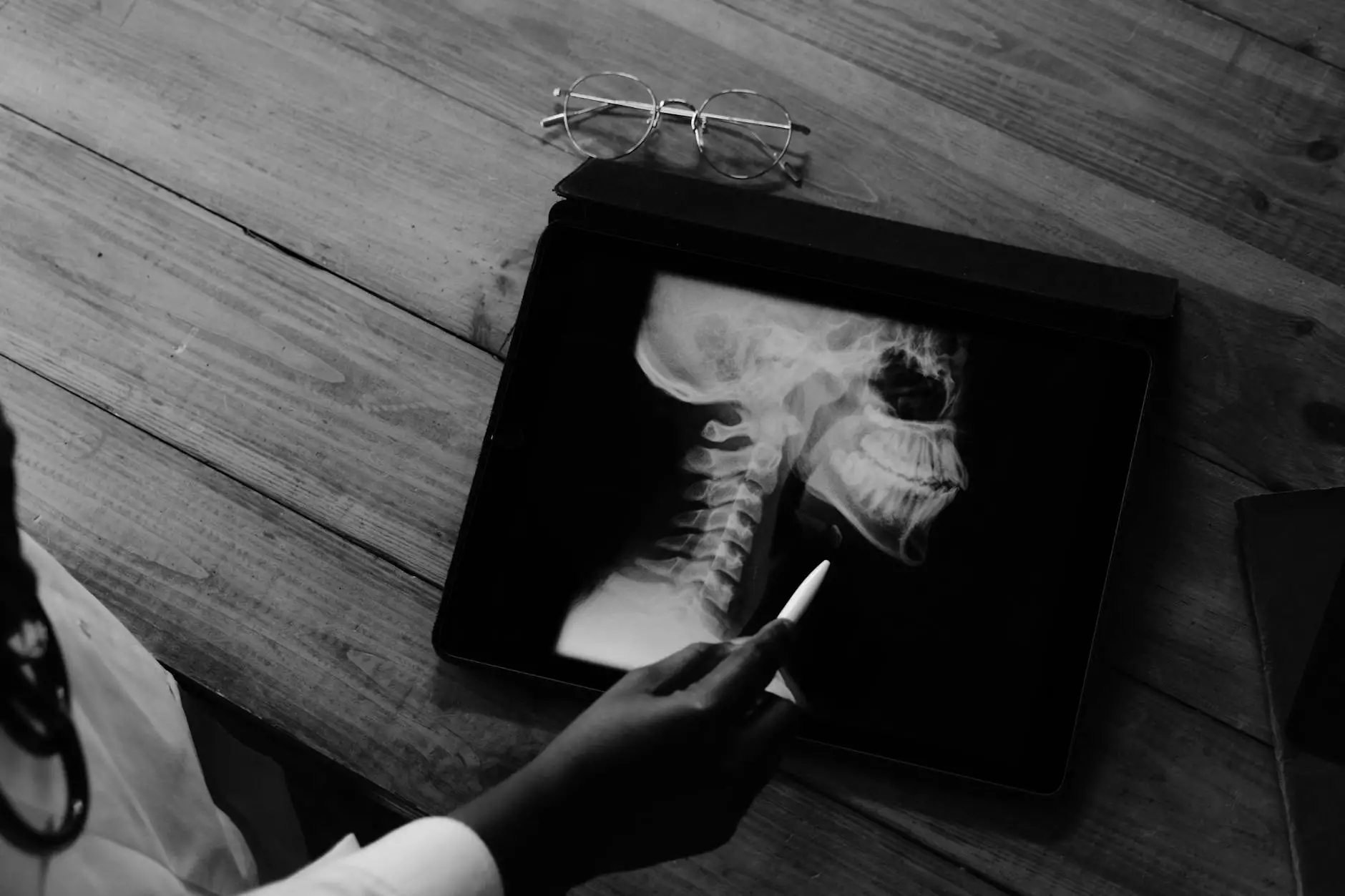
Lung cancer remains one of the leading causes of cancer-related deaths across the globe. Early detection is crucial in improving survival rates, and this is where the lung cancer CT scan plays a vital role. This article delves into the significance of lung cancer CT scans, their benefits, and their innovative applications in modern healthcare.
Understanding Lung Cancer
Lung cancer primarily arises from abnormal cell growth in the lungs, often resulting from smoking, exposure to carcinogens, or genetic factors. There are two main types of lung cancer: non-small cell lung cancer (NSCLC) and small cell lung cancer (SCLC). Recognizing the signs and symptoms early on is essential, as it directly impacts treatment options and survival rates.
Symptoms of Lung Cancer
Common symptoms that may prompt a lung cancer screening include:
- Chronic cough
- Coughing up blood
- Shortness of breath
- Chest pain
- Unexplained weight loss
- Fatigue
The Role of CT Scans in Lung Cancer Detection
A CT scan (computed tomography) is a powerful imaging tool that provides cross-sectional images of the body. When it comes to lung cancer, CT scans are invaluable for several reasons:
1. High Sensitivity
CT scans are incredibly sensitive and can detect lung nodules that might not be visible on traditional X-rays. This capability is crucial for early-stage detection, where treatment efficacy is significantly higher.
2. Detailed Imaging
Unlike standard imaging methods, a CT scan provides detailed images of the lungs, allowing healthcare professionals to see the size, shape, and position of suspicious areas and lesions.
3. Screening for High-Risk Patients
For individuals at high risk of lung cancer—such as those with a significant smoking history—low-dose CT scans are recommended for routine screening. This method has been shown to reduce lung cancer mortality.
Benefits of Lung Cancer CT Scans
The lung cancer CT scan offers numerous benefits in the diagnosis and management of lung cancer:
Improved Accuracy in Diagnosis
CT scans enhance the accuracy of lung cancer diagnoses, which is crucial for determining the best treatment options. Inaccurate diagnoses can lead to ineffective treatments, delays, and worse outcomes.
Guiding Treatment Plans
CT scan results help oncologists develop personalized treatment plans. Knowing the precise location and extent of cancer can influence decisions regarding surgery, radiation therapy, or chemotherapy.
Monitoring Treatment Response
CT scans are not only used for diagnosis but also for monitoring patients' responses to ongoing treatments. Changes in tumor size or characteristics visible on scans can provide insights into whether the treatment is effective.
Preparing for a Lung Cancer CT Scan
Preparation for a CT scan is crucial to ensuring accurate results. Here are some steps patients can expect:
1. Discuss Medical History
Before the scan, patients should discuss their medical history, including any previous lung issues, allergies to contrast materials, and overall health.
2. Clothing and Jewelry
Patients are advised to wear comfortable clothing without metal fasteners and to remove jewelry, as these can interfere with imaging results.
3. Contrast Material
In some cases, a contrast material may be needed to enhance the images. Patients should inform their healthcare providers about any allergies.
After the Lung Cancer CT Scan
After the CT scan is completed, patients can usually resume normal activities immediately. However, if contrast material was used, there may be some post-scan protocols to follow.
Understanding the Results
Results from the CT scan will be interpreted by a radiologist, who will then send the report to the patient's healthcare provider. Understanding these results is vital for the next steps in diagnosis and treatment.
Innovations in CT Technology
With advancements in technology, CT scans are becoming even more effective. Innovations such as AI-enhanced imaging and high-resolution scans are on the rise, improving both the detection rates and the detail of images captured.
AI in Radiology
Artificial intelligence is increasingly being integrated into radiology to assist in detecting abnormalities that human eyes might miss. This leads to better accuracy and earlier detection of lung cancer.
Future Trends
As research continues, we expect to see protocols that incorporate genetic profiling and biomarkers alongside CT imaging to create comprehensive lung cancer management plans.
Conclusion: The Importance of Lung Cancer CT Scans
In conclusion, the lung cancer CT scan is a vital tool in the early detection and management of lung cancer. With its advantages in sensitivity, detailed imaging, and the ability to guide treatment, it is integral to improving patient outcomes. At Hello Physio, we emphasize the importance of regular screenings and proactive health management. If you or a loved one is at risk, do not hesitate to consult a healthcare provider about the appropriate screenings available.
Call to Action
For further information on lung health and screening options, or to schedule an appointment for a lung cancer CT scan, please visit our website at hellophysio.sg or contact our office directly. Your health is our priority!