Exploring the Business of Fake Currency: A Comprehensive Guide to 5 USD Notes
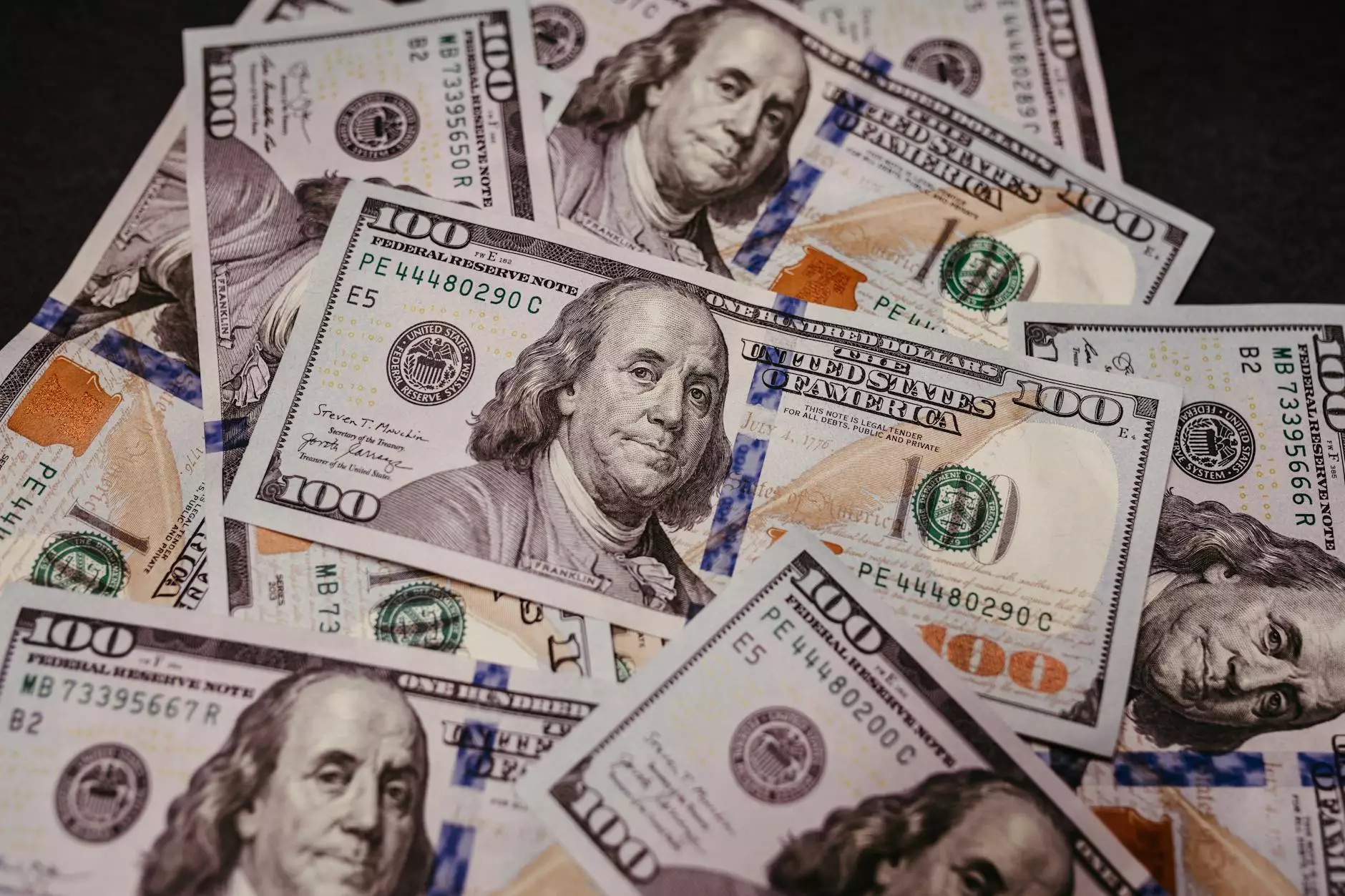
The realm of fake currency is a unique and fascinating one that draws interest from various sectors, whether they be collectors, enthusiasts, or individuals looking for alternative methods of economic exchange. In this article, we delve deeply into the business of fake currencies, focusing specifically on the 5 USD note, to illuminate not only its market trends but also its legal implications and cultural significance.
Understanding the Fake Currency Market
The fake money market is often clouded in mystery, given its controversial nature. However, it’s important to note that not all motivations for engaging in this market are deceptive. For instance, many people collect fake notes for educational and entertainment purposes. Additionally, there are considerable debates on the ethics and implications surrounding the production and distribution of such currencies.
The Rise of Collectibles
One of the main reasons for the 5 USD note's popularity among collectors is its unique charm. Collectors seek rare denominations for several reasons, including:
- Cultural Significance: Notes like the 5 USD bills carry stories and history that resonate with people.
- Artistry: The artistry on currency is often appreciated, with intricate designs and features that detail a country’s heritage.
- Investment Opportunities: Collectible currency can appreciate in value, making it a sound investment for some.
Economic Implications
The presence of fake currency, including 5 USD notes, can have significant economic implications. When fake currency enters circulation, it can:
- Devalue the Currency: An influx of counterfeit money can undermine trust in a nation’s currency.
- Impact Local Businesses: Businesses might suffer from accepting counterfeit notes, thus leading to potential losses.
- Put Strain on Law Enforcement: The necessity to combat counterfeiting diverts resources from other crucial areas.
The Legal Landscape Surrounding Fake Currency
The production and distribution of fake money is heavily regulated across the globe. Understanding the legal parameters is crucial for anyone interested in the field.
Regulations on Counterfeit Currency
Engaging in the production or distribution of counterfeit currency, including 5 USD notes, is illegal and can result in severe penalties. Most countries contain laws that dictate:
- Manufacturing Counterfeit: Creating currency that imitates legal tender is usually punishable by law.
- Distributing Fake Money: Even distributing knowingly fake notes can lead to criminal charges.
Legal Ramifications and Penalties
Consequences for counterfeiting can be severe, leading to long prison sentences and hefty fines. Law enforcement agencies are typically equipped with specialized units dedicated to tackling the issue of currency fraud. Measures taken may include:
- Increased Surveillance: Enhanced monitoring of transactions and businesses to uncover fraudulent activities.
- Public Awareness Campaigns: Educating the public on ways to identify counterfeit currency, including the 5 USD note.
The Role of Technology in Counterfeiting
In recent years, advancements in technology have greatly influenced the counterfeiting landscape. With access to sophisticated printers and software, the ability to create convincing fake currency has increased.
Digital Counterfeiting Techniques
It is important to recognize how technology has changed the game. Here are several techniques that illustratively highlight modern counterfeiting methods:
- High-Resolution Printing: Advances in printing technology allow counterfeiters to produce high-quality replicas.
- Watermark Duplication: Modern technology enables the copying of complex security features, including watermarks.
Protection Against Counterfeit Currency
Governments and financial institutions have coupled technological advancements with protective measures to safeguard against counterfeiting. Some of these measures include:
- Enhanced Security Features: Newer notes, including the 5 USD bill, incorporate advanced security measures such as holograms and color-shifting ink.
- Public Education: Informing citizens about security features so they can identify genuine vs. fake currency.
Cultural Impact of Fake Currency
Beyond the legal and economic aspects, fake currency including 5 USD notes can have a profound cultural impact. The fascination with replication can often lead to discussions around the value of currency itself.
Understanding Value Through Counterfeits
Engaging with the idea of fake money can inspire individuals to reflect on various concepts of worth, such as:
- The Meaning of Money: Discussions around what money signifies in society and its role in daily life.
- Consumer Trust: How trust in currency impacts economic stability and public confidence.
Art and Counterfeit Culture
In some circles, the notion of counterfeiting has evolved into an art form, where artists create replicas for commentary on capitalism and value. This can lead to a vibrant community engaging in:
- Critiques of Consumerism: Artists may produce fake notes to challenge societal norms around wealth.
- Exhibitions and Collectibles: Shows that highlight counterfeit currency as an art form rather than a crime.
Conclusion: Navigating the World of Fake Currency
In closing, the world of fake currency intricately intersects with various facets of society, from law and economics to art and culture. The 5 USD note occupies a unique space within this narrative, offering valuable insights into our understanding of money, value, and trust. Whether you are a collector, an investor, or simply curious about the implications of currency, engaging with this topic can lead to profound realizations about the role of money in our lives.
While the faux currency market can be contentious, it remains a compelling domain worthy of exploration. By understanding its complexities, one can better appreciate both the risks and rewards it presents.