Taking Care of Dental Implants: A Comprehensive Guide
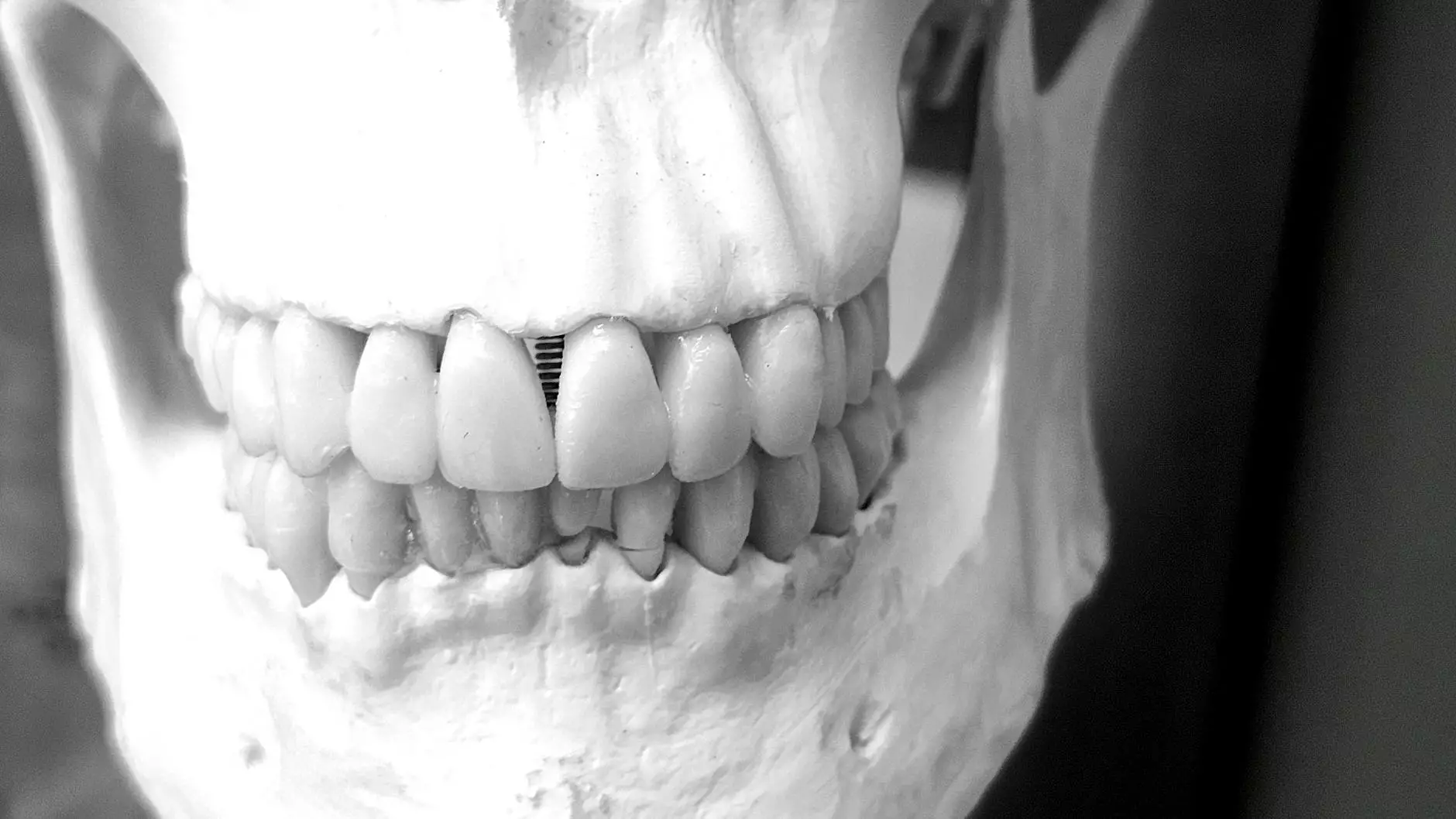
Dental implants represent a significant advancement in modern dentistry. Designed to replace missing teeth, they restore functionality, aesthetics, and confidence for countless individuals. However, just like natural teeth, taking care of dental implants is essential for their longevity and performance. In this extensive guide, we will delve into everything you need to know about maintaining your dental implants, ensuring they remain healthy and functional for years to come.
Understanding Dental Implants
Before we explore the best practices for taking care of dental implants, it's crucial to understand what they are. A dental implant consists of three primary components:
- Implant posts: These are titanium screws surgically placed into the jawbone. They act as the root of the artificial tooth.
- Abutment: This connector holds the crown securely to the implant post.
- Crown: The visible part of the implant that resembles a natural tooth and is custom-made to match the surrounding teeth.
Why Is Proper Care Important?
Dental implants are designed to function like natural teeth; however, they require diligent care from the owner. Here’s why taking care of your dental implants is vital:
- Longevity: Proper maintenance can increase the lifespan of your implants significantly. While implants are durable, they aren't indestructible.
- Preventing Infection: Your mouth is a gateway to bacteria, and neglecting oral hygiene can lead to infections, potentially jeopardizing the stability of your implants.
- Aesthetics: Keeping implants clean helps maintain their appearance and protects your smile.
Daily Care Routine
Now that we understand the importance of implant care, let's look at a daily care routine to keep your dental implants in peak condition.
1. Brushing Your Implants
Just like your natural teeth, taking care of dental implants starts with good oral hygiene. Here are some tips:
- Use a soft-bristled toothbrush to avoid damaging the surrounding gum tissues and implant components.
- Brush at least twice a day for two minutes, focusing on the gum line and the area around the implant.
- Consider using a toothpaste that is non-abrasive and specially formulated for implants.
2. Flossing and Interdental Cleaning
Flossing is necessary for anyone with dental implants. Here's how you can effectively floss:
- Use implant-specific floss or interdental brushes that are designed to navigate around implants and around abutments.
- Gently slide the floss between the teeth and implants, ensuring you clean both sides.
- Consider utilizing a water flosser for a more thorough clean, especially around hard-to-reach areas.
3. Rinsing with Antimicrobial Mouthwash
An antimicrobial mouthwash can help reduce plaque buildup and prevent infections:
- Choose a mouthwash that is free from alcohol to avoid dryness and irritation.
- Rinse at least once a day to promote oral health and freshen your breath.
Dietary Considerations
Your diet plays a crucial role in the health of your implants. To support the overall well-being of your dental implants, consider the following:
1. Nutrient-Rich Foods
Incorporate a variety of healthy foods into your meals:
- Fruits and Vegetables: Rich in vitamins and minerals, they support gum health.
- Lean Proteins: Foods such as chicken, fish, and legumes promote overall health and tissue repair.
- Dairy Products: High in calcium and phosphorus, dairy helps strengthen bones and teeth.
2. Avoid Hard and Sticky Foods
Some foods can put undue stress on your dental implants:
- Avoid hard foods like ice, hard candies, and nuts which can damage the crown.
- Steer clear of sticky foods like caramels and taffies that can pull at the implant or cause discomfort.
Regular Dental Check-Ups
Regular trips to your dentist are key in ensuring your implants stay healthy.
1. Recommended Schedule
For the first few years after receiving dental implants, it is advisable to schedule check-ups every three to six months.
2. What to Expect During a Visit
During your dental appointment, your dentist will:
- Examine the implant to check for signs of infection or loss of bone.
- Evaluate your oral hygiene techniques and offer professional cleaning.
- Make any necessary adjustments if the crown or abutment is loose or misaligned.
Recognizing Issues and Symptoms
Being aware of potential complications is crucial. Here are some symptoms to watch for:
- Increased Sensitivity: If your implant becomes sensitive to hot or cold.
- Swelling and Redness: The gums around the implant should be healthy and firm.
- Loose Implant: If you feel any movement in your implant, contact your dentist immediately.
Conclusion
Taking care of dental implants is paramount to ensuring their success and comfort. By following proper oral hygiene practices, maintaining a balanced diet, visiting your dentist regularly, and being proactive about your oral health, you can keep your implants in excellent condition. Remember, your dental implants are an investment in your health and smile. Treat them with care, and they will serve you well for many years to come.
Additional Resources
If you're interested in learning more about taking care of dental implants, consider visiting the following resources:
- 92 Dental - Comprehensive dental care resources
- American Academy of Cosmetic Dentistry - Information on cosmetic dental procedures
- American Dental Association - Dental health information and resources
By investing your time and effort into maintaining your dental implants, you're not just caring for your smile; you're enhancing your quality of life!