The Importance of Moisture Content of Wheat at Harvest
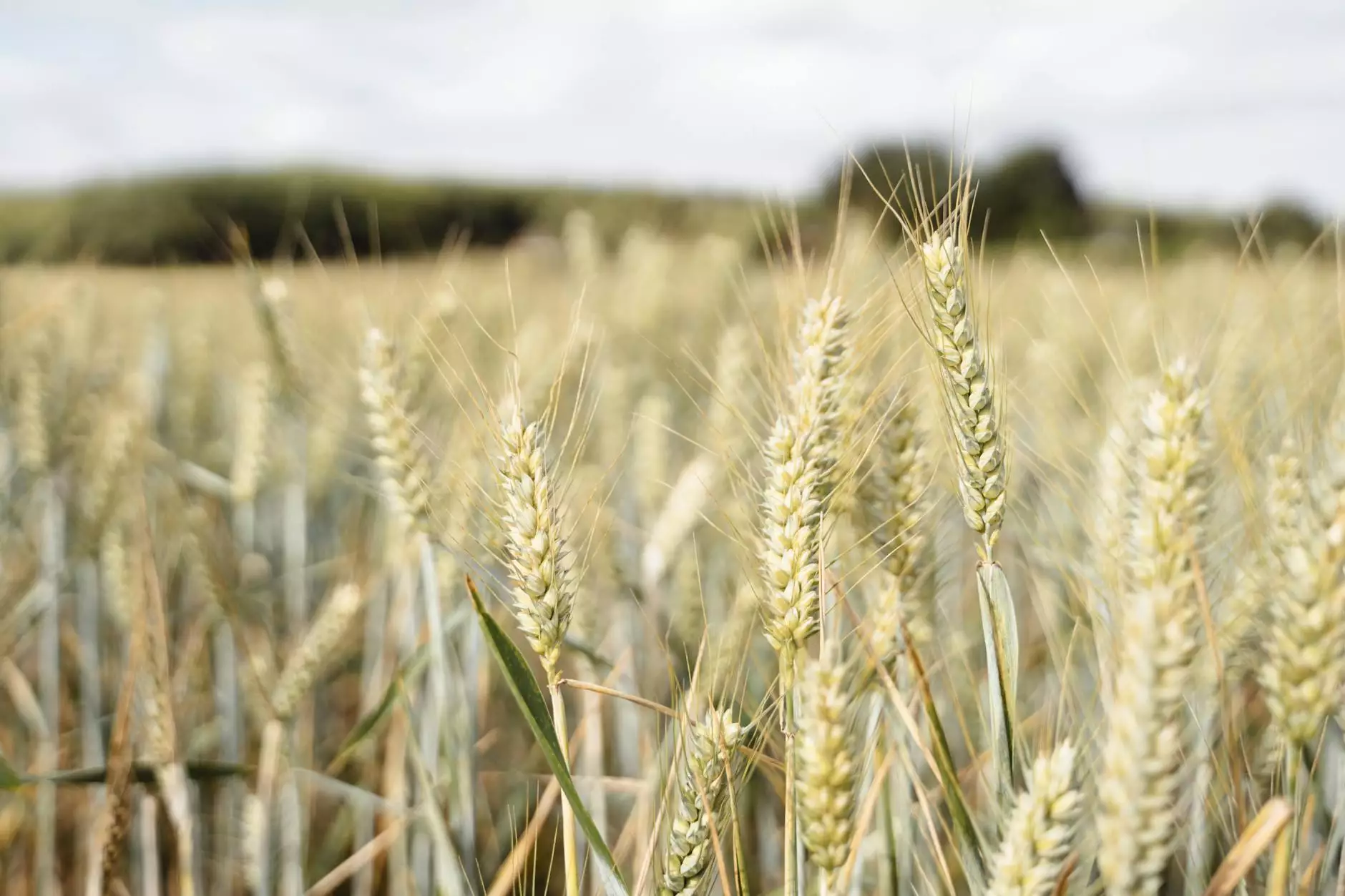
In the world of agriculture, one of the most vital factors that can affect the quality, yield, and profitability of wheat is the moisture content of wheat at harvest. This article will explore in detail what moisture content is, why it matters, and how understanding and managing it can lead to improved farming practices and success. As the farming industry evolves, particularly for operators like those connected with tsgcinc.com, it's essential to be well-informed about these agricultural metrics.
What is Moisture Content?
Moisture content refers to the amount of water present in a substance. In agricultural terms, it is often expressed as a percentage of the total weight. For wheat, the moisture content can have a substantial impact on its storage qualities, market value, and overall viability.
How is Moisture Content Measured?
Measuring the moisture content of wheat involves several methodologies, but the most common techniques include:
- Grain Moisture Meters: These devices are widely used by farmers to get real-time readings of moisture content during harvest.
- Oven Drying Method: This traditional method involves weighing a grain sample, drying it in an oven at a specific temperature, and then weighing it again to determine moisture loss.
- Electronic Moisture Meters: More advanced technology that provides accurate moisture readings quickly and efficiently.
Why Monitor Moisture Content?
The moisture content of wheat at harvest is significant for several reasons:
1. Quality Preservation
Wheat with too high moisture content is prone to spoilage, mold, and fungal infections. Lower moisture levels help in preserving the quality of the grain, ensuring that it remains suitable for consumption and profitable in the market.
2. Storage Conditions
If the moisture content is high at harvest, it can lead to compromised storage conditions. Grain bins may become hotspots for pests and create an environment ripe for the growth of harmful microorganisms.
3. Market Value
Wheat with optimal moisture content often receives better pricing in the market. Buyers are interested in products that will withstand transport and storage without degrading.
4. Harvest Timing
Monitoring moisture content helps farmers decide the best time to harvest. Knowing the ideal moisture percentage allows for optimized yields and reduced losses.
Optimal Moisture Content for Wheat
The ideal moisture content for harvesting wheat typically ranges between 13% to 15%. However, there are several factors that can influence this percentage:
- Variety of Wheat: Different wheat varieties can have distinct moisture requirements.
- Environmental Conditions: Weather conditions leading up to harvest can affect the moisture levels in the grain.
- Soil Type: Soil moisture retention can influence the moisture content of the harvested grain.
Strategies for Managing Moisture Content
Successfully managing wheat's moisture content requires proactive planning and timely execution. Here are some strategies:
1. Pre-Harvest Planning
Farmers should monitor their fields regularly leading up to harvest. This involves checking for weather forecasts, understanding the crop’s development stages, and applying relevant agricultural practices to ensure that moisture levels drop to the ideal range effectively.
2. Use of Proper Harvesting Equipment
Employing modern harvesting equipment that functions well under various moisture conditions can help reduce losses. For example, combine harvesters should be equipped with moisture sensors to provide feedback during the harvesting process.
3. Post-Harvest Management
After harvest, the moisture content must be managed through proper drying methods. This can include:
- Using Grain Dryers: Efficient grain drying systems can control moisture levels post-harvest.
- Natural Drying: In favorable weather conditions, natural drying in the field might suffice.
- Storage Adjustments: Ensuring storage units are well-ventilated can help manage moisture levels.
The Role of Technology in Monitoring Moisture Content
Advancements in agricultural technology have revolutionized how farmers manage grain moisture. Smart devices, along with mobile apps, provide real-time data to farmers, enabling them to make quick decisions regarding harvest and storage.
1. Remote Sensing Technology
Utilizing drones and satellite imagery allows farmers to assess large areas of crops, monitoring their health and moisture levels without manual checks.
2. IoT Sensor Networks
Internet of Things (IoT) sensors can be programmed to provide continuous moisture level readings, facilitating a more accurate and timely response to changes in moisture content.
Conclusion
Understanding the moisture content of wheat at harvest is not just a technicality; it is a vital component of agricultural success. By implementing careful monitoring practices and utilizing up-to-date technology, farmers can optimize their harvests, preserve quality, and enhance their overall profitability. As the industry continues to modernize, embracing these innovations will be essential for achieving sustainable and successful farming operations. For those engaged in farming and equipment repair, like tsgcinc.com, this knowledge will provide a strong foundation for future growth and efficiency.