Enhancing Business Operations with a Barcode Checker
In today's fast-paced business environment, efficiency and accuracy are paramount. One of the key tools that can significantly enhance these aspects is a barcode checker. This article delves into the importance of barcode checkers in the realms of printing services and electronics, and how they can greatly improve operational workflows.
Understanding the Role of Barcodes in Modern Business
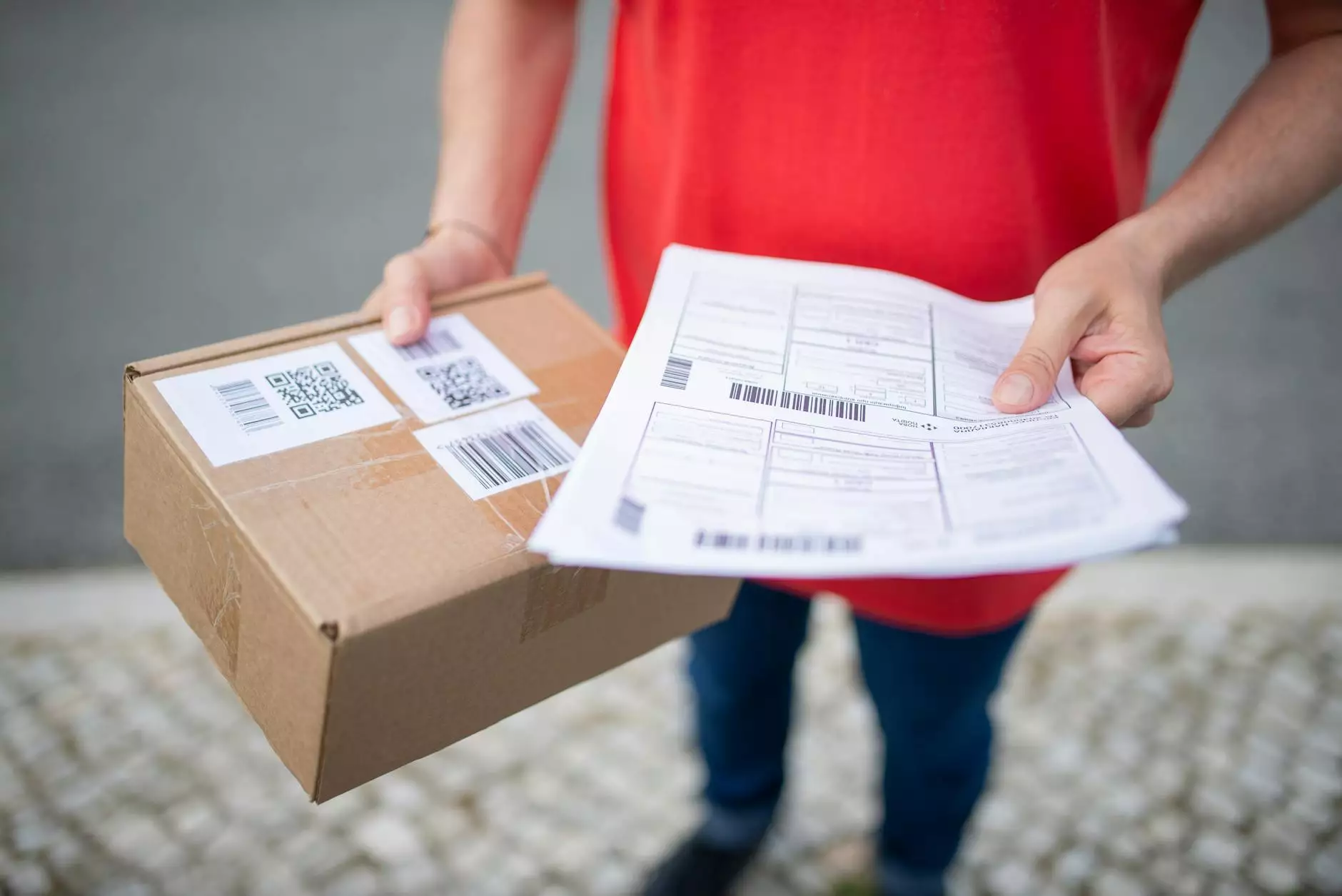
Barcodes have revolutionized the way businesses manage their operations by providing a simple yet effective way to track products, manage inventory, and streamline processes. A barcode checker is essential for ensuring that these barcodes are printed correctly and are scannable, which directly affects the efficiency of operations. Let's explore the various dimensions of barcodes in business.
The Fundamental Features of Barcodes
Barcodes are optical machine-readable representations of data. They encode information about a product such as:
- Product ID
- Price
- Manufacturer Information
- Stock Levels
This information is crucial for different stages of the supply chain, making the functionality of a barcode checker all the more important.
Why a Barcode Checker is Essential for Businesses
A barcode checker serves as a critical quality control tool. Here are a few reasons why businesses should invest in this technology:
1. Accuracy in Inventory Management
Having accurate barcode scans of products ensures that inventory levels are correct, reducing the chances of stockouts or overstock situations. A barcode checker helps verify that the printed barcodes match the intended data, thereby reducing errors in inventory management.
2. Improved Operational Efficiency
By utilizing a barcode checker, businesses can reduce the time spent on administrative tasks. Quick scanning of products speeds up the checkout process in retail environments and enhances the efficiency of warehouse operations.
3. Enhanced Customer Satisfaction
When product information is accurate and accessible, customers receive the right products without delays. A barcode checker ensures that every barcode is legible and accurate, leading to higher customer satisfaction and improved service delivery.
Implementing a Barcode Checker in Your Workflow
For businesses looking to integrate a barcode checker into their operations, here are several steps you should consider:
1. Choose the Right Technology
There are various types of barcode checkers available, from handheld devices to mounted systems. Selecting the right type for your business environment is important for ensuring seamless integration.
2. Train Your Staff
It is essential to train staff on how to use barcode checking systems effectively. Proper training reduces errors and enhances efficiency across all operational levels.
3. Regular Audits
Conducting regular audits of your barcode systems and processes ensures ongoing accuracy. This is where a barcode checker can be utilized to verify that everything is functioning correctly.
Integrating Barcodes into Printing Services
In the context of printing services, the quality of barcodes is crucial. Here is how a barcode checker contributes:
Quality Control in Printing
Print quality affects the scannability of barcodes. Using a barcode checker during the printing process can help identify issues such as:
- Inaccurate printing
- Faded prints
- Misaligned barcodes
This quality control ensures that every product that goes out meets the standards needed for optimal performance in the market.
Customization and Design Flexibility
Many businesses require customized barcodes to fit packaging needs. A barcode checker can validate that custom designs still adhere to scannability standards, providing the freedom to innovate without sacrificing functionality.
Barcode Checkers in Electronics
In the electronics industry, barcodes are particularly significant due to the variety of products and the complexity of inventory. The benefits of using a barcode checker in this sector include:
Complex Inventory Management
Electronics businesses often deal with a wide range of products that require precise tracking. Barcode checkers simplify this by ensuring each item's barcode is properly formatted and readable.
Streamlined Returns and Exchanges
Often, electronics items are returned or exchanged. A reliable barcode checker can verify returned items to ensure they match inventory, reducing losses and ensuring that accurate records are maintained.
The Future of Barcode Technology
As technology evolves, so do barcodes. New advancements, such as QR codes and digital barcodes, are emerging. A barcode checker can help businesses transition smoothly into these new technologies, ensuring continued operational effectiveness and efficiency.
Increased Use of Mobile Scanning
Mobile scanning technology is now being widely adopted. A modern barcode checker will be compatible with mobile scanning apps, allowing for the flexibility that modern consumers and businesses demand.
Conclusion
In conclusion, implementing a barcode checker into your business operations—whether in printing services or electronics—can drive significant improvements in accuracy, efficiency, and customer satisfaction. By paying close attention to the selection of technology, staff training, and regular audits, businesses can reap the full benefits of barcoding and stay ahead in the competitive marketplace.
Investing in a barcode checker isn't just about technology; it's about elevating your entire business operation.