Counterfeit British Currency: Understanding the Landscape
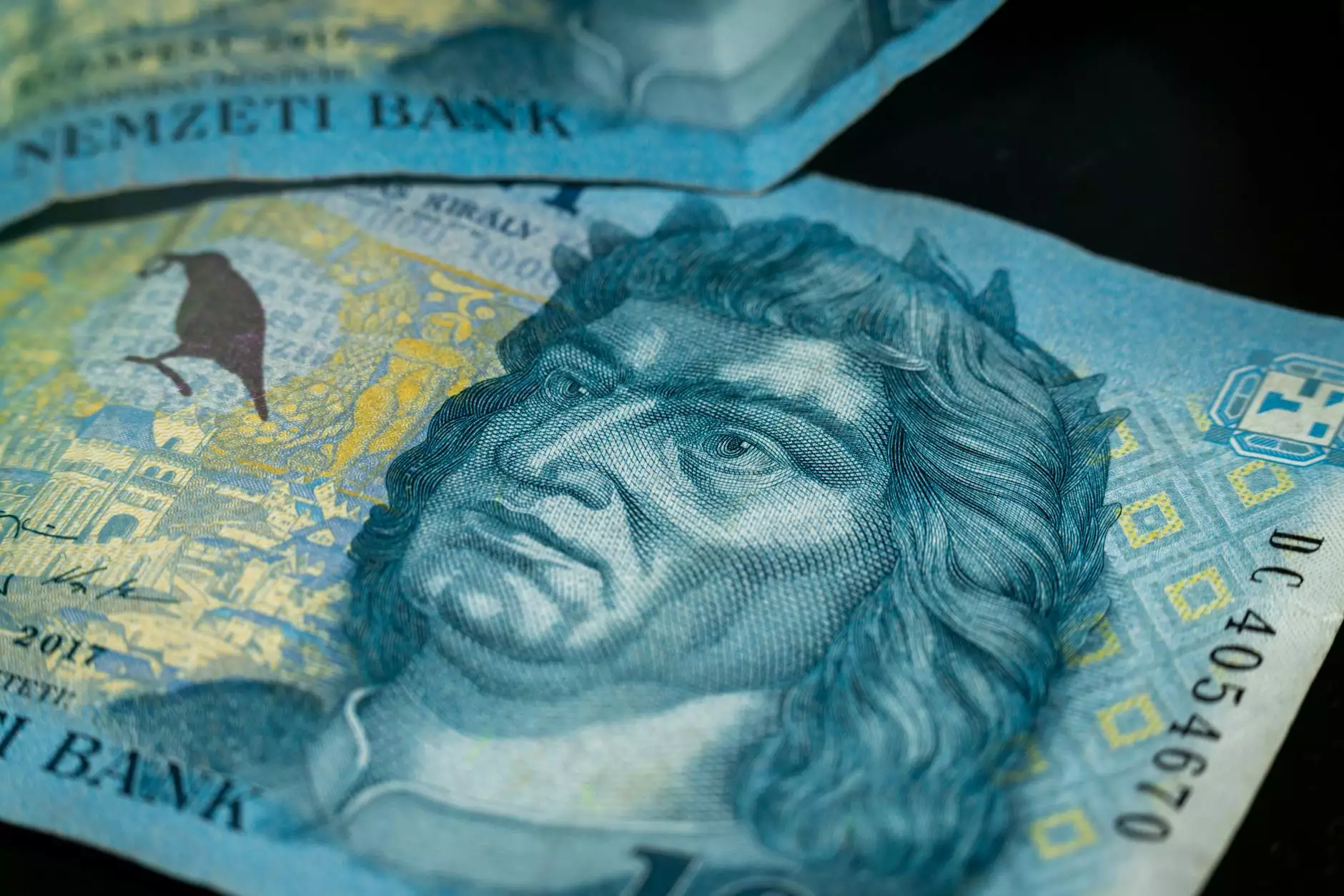
The phenomenon of counterfeit British currency is more prevalent than ever in today's fast-paced financial environment. This article delves into the complexities of counterfeit currency, its implications for businesses and consumers alike, and effective strategies for identification and prevention. Understanding this issue is not only essential for safeguarding your finances but also for maintaining the integrity of the economy as a whole.
The Rise of Counterfeit Currency in the UK
Counterfeit currency has been an issue since the inception of money itself. However, technological advancements and global interconnectedness have intensified this issue. In the UK, counterfeit British currency poses severe risks to both small and large businesses. The rise of online marketplaces has facilitated the dissemination of counterfeit notes, complicating the matter further.
The Evolution of Counterfeiting Techniques
Counterfeiters have evolved from simple printing methods to employing sophisticated technologies in their operations. Here are some methods currently observed:
- High-quality printing: Modern printers and materials make it easier for counterfeiters to produce notes that closely resemble genuine currency.
- Digital manipulation: Advanced software tools enable counterfeiters to manipulate images and replicate security features poorly.
- Social engineering: Fraudsters sometimes manipulate merchants or employees into accepting counterfeit notes, thereby creating an illusion of legitimacy.
The Economic Impact of Counterfeit Currency
The impact of counterfeit British currency on the economy is profound. It affects businesses in various ways:
- Financial losses: Businesses may incur significant financial losses if they unknowingly accept counterfeit notes. These losses can lead to diminished profits and struggles in cash flow management.
- Reputation damage: Being associated with counterfeit transactions can tarnish a business's reputation. Customer trust may be eroded, affecting customer loyalty.
- Increased operational costs: Businesses may need to invest in training staff and purchasing expensive equipment to detect counterfeit notes.
Identifying Counterfeit British Currency
Recognizing counterfeit British currency is critical for businesses. Here are some key features to look for:
- Watermark: Genuine notes feature a watermark that is visible against the light. The watermark should look identical to the portrait on the note.
- Security thread: A metallic thread is embedded within the note, which can be felt and seen when held up to the light.
- UV features: Under ultraviolet light, certain features become visible that are not apparent under normal light, indicating authenticity.
- Color-shifting ink: Some denominations utilize color-shifting ink, which changes color when viewed from different angles.
Best Practices for Businesses
Businesses must adopt best practices to mitigate the risks associated with counterfeit British currency. Here’s how:
Staff Training
Training employees on the identification of counterfeit notes is essential. Regular workshops and refresher courses can help staff stay vigilant.
Investing in Detection Technology
Investing in advanced currency detection machines can be beneficial. These devices can quickly and accurately differentiate between genuine and counterfeit notes, reducing human error.
Creating a Safe Environment
Establishing a secure environment for transactions can deter counterfeiters. This includes having visible signage regarding detection practices and warning signs that counterfeit notes will not be accepted.
Legal Implications of Counterfeiting
The legal ramifications of dealing in counterfeit currency can be severe. Here are a few key points:
- Penalties for Producing Counterfeit Money: Counterfeiters face heavy fines and imprisonment. The severity of the sentence often depends on the scale of their operation.
- Consequences for Businesses: If a business unknowingly accepts counterfeit notes, it may face legal repercussions, including fines and potential criminal liability.
- Reporting Mechanisms: It is crucial for businesses to report counterfeit incidents to law enforcement to help combat the issue on a larger scale.
The Role of Government and Regulatory Bodies
Government and regulatory bodies play a vital role in the fight against counterfeit currency. Initiatives aimed at curbing this issue include:
- Public Awareness Campaigns: Governments often run campaigns to educate the public on how to spot counterfeit notes and encourage reporting.
- Testing and Compliance: Banks and financial institutions are regularly tested for compliance in identifying and managing counterfeit currency.
- Collaboration with Law Enforcement: Agencies work together to track and apprehend counterfeiters, often employing advanced technology and intelligence sharing.
Future Outlook and Trends
The future of counterfeit British currency detection is likely to evolve with technological advancements. Here are some trends to watch:
- Biometric Authentication: The integration of biometric data could provide enhanced security to transactions, making it more difficult for counterfeit notes to circulate.
- Blockchain Technology: Blockchain may play a role in tracking currencies and ensuring the authenticity of transactions through decentralized records.
- Enhanced Security Features: As counterfeiters develop new technologies, currency designs will also adapt, incorporating ever-more sophisticated security features.
Conclusion
The challenge of counterfeit British currency cannot be underestimated. By understanding the risks and implementing comprehensive strategies, businesses can effectively shield themselves from financial losses and reputation damage. The collaboration between businesses, consumers, government, and law enforcement is essential in combatting this issue, ensuring a stable economic future. Adopting best practices, keeping abreast of technological advancements, and promoting awareness among employees and customers will create a robust defense against this persistent threat.
By taking proactive measures and being vigilant, businesses can significantly reduce their risk of falling victim to counterfeit currency, securing their financial transactions and maintaining trust within the marketplace. The ongoing fight against counterfeiting is a crucial aspect of preserving economic integrity, and together, we can combat this challenge head-on.