Unlocking the Potential: Entertainment VR Business Ideas for a Thriving Future
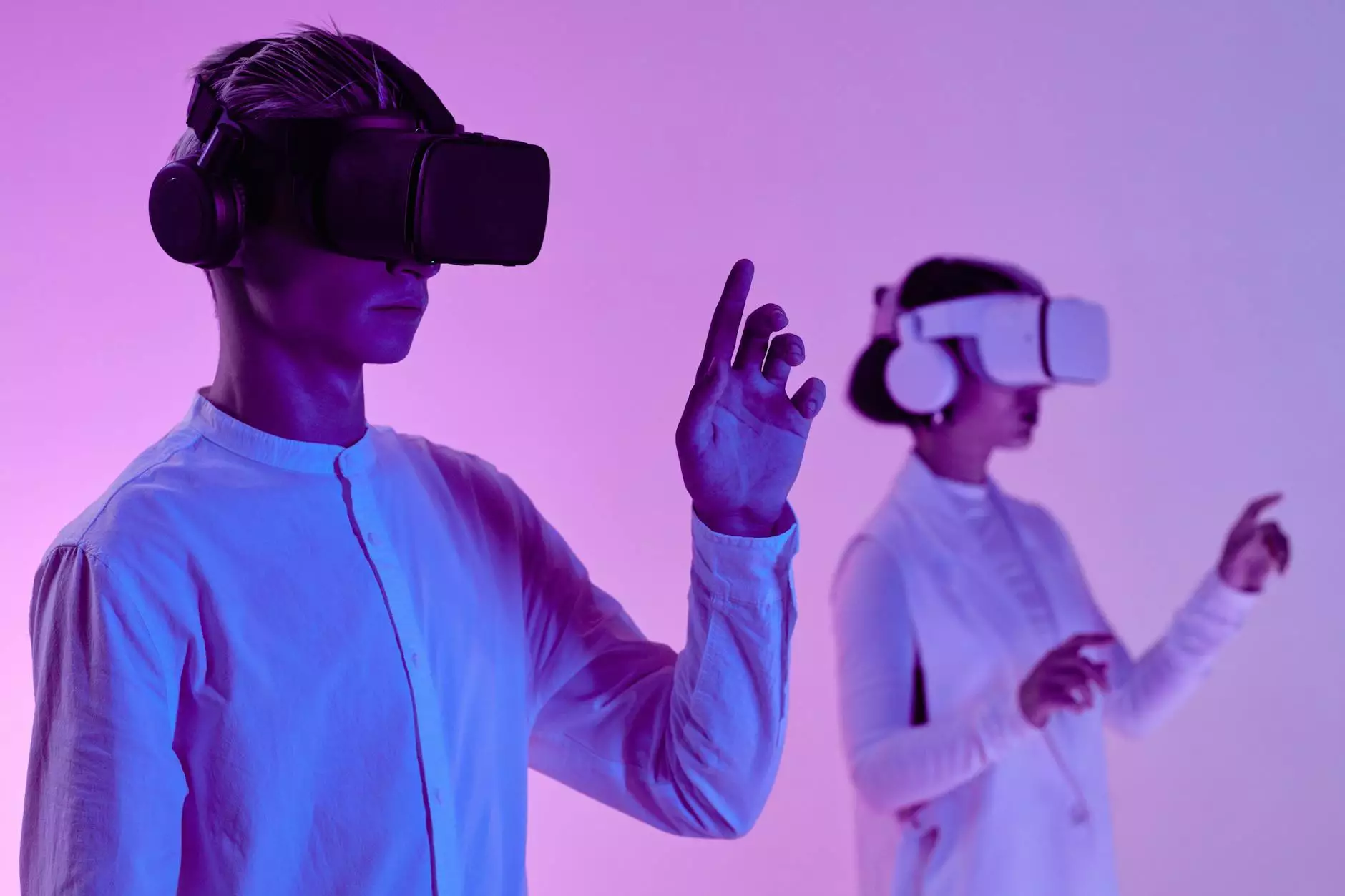
In recent years, the virtual reality (VR) industry has experienced exponential growth, revolutionizing the way businesses approach entertainment, education, and consumer engagement. With advancements in VR technology becoming more affordable and sophisticated, entrepreneurs are increasingly seeking innovative entertainment VR business ideas to capitalize on this burgeoning market. Whether you are interested in establishing a VR entertainment center or developing immersive VR content for education, the opportunities are virtually limitless. This comprehensive guide will explore the most promising entertainment VR business ideas that you can implement in 2024 to build a profitable and sustainable enterprise.
Understanding the VR Market Landscape
The VR industry is rapidly expanding with new applications and business models emerging daily. Analysts project that by 2025, the global VR market will exceed $60 billion, driven by advances in hardware, software, and consumer adoption. The entertainment sector remains at the forefront, including gaming, immersive cinema, virtual theme parks, and social VR experiences.
Furthermore, the rise of VR in education and virtual reality centers signifies a broad diversification of its utilization. These developments open up numerous possibilities for entrepreneurs aiming to develop VR entertainment businesses that are both innovative and profitable.
Key Factors Driving the Success of Entertainment VR Business Ideas
- Technological Advancements: Improved hardware, such as standalone headsets and haptic feedback devices, enhance immersive experiences.
- Decreasing Costs: Costs of VR headsets and development tools are falling, enabling easier entry for startups and small businesses.
- Growing Consumer Interest: Increasing adoption among gamers, students, and general consumers fosters a fertile environment for innovation.
- Corporate Investment: Major companies are investing heavily into VR content and infrastructure, validating the market potential.
- Educational Demand: Combining entertainment with education creates unique business niches that appeal to schools and universities.
Popular Entertainment VR Business Ideas in 2024
Innovation driven by market demand means that entrepreneurs can choose from a variety of proven and emerging entertainment VR business ideas. Here are some of the most promising concepts that could redefine the industry:
1. VR Arcades and Virtual Theme Parks
VR arcades are increasingly popular among casual consumers seeking immersive entertainment outside their homes. Setting up a VR arcade involves creating a space equipped with high-quality VR headsets, motion tracking systems, and dedicated gaming zones. These venues offer a variety of interactive VR experiences including sci-fi adventures, multiplayer games, and virtual roller coasters.
Innovative VR theme parks can extend this concept further by designing large-scale themed experiences, such as virtual jungle safaris, space explorations, or ancient civilizations immersive tours. Such ventures attract families, tourists, and corporate clients looking for novel team-building activities.
2. Immersive VR Gaming Centers
Gaming is the core driver of the VR entertainment industry. Establishing VR gaming centers allows players to experience multi-player and competitive virtual games at a professional level. Incorporate the latest haptic feedback devices and motion capture technology to enhance realism and engagement.
Offer exclusive memberships, tournaments, and seasonal events to keep engagement high. Collaboration with game developers for exclusive titles or customized experiences can create a competitive edge.
3. VR Content Creation and Custom Experiences
If you're inclined toward content development, creating custom VR experiences for entertainment centers, educational institutions, or corporate clients offers a scalable business model. This involves creating immersive stories, virtual tours, and interactive simulations tailored to specific themes or objectives.
For example, developing virtual concert experiences, historical reconstructions, or adventure scenarios can provide engaging content for diverse audiences.
4. VR-Based Education and Training Centers
Integrate entertainment VR ideas within educational settings to develop engaging learning modules that combine fun with learning. Virtual reality enables interactive lessons, virtual labs, and simulated scenarios for subjects like science, history, or vocational skills.
This convergence of education and entertainment not only enhances student engagement but also appeals to educational institutions seeking innovative teaching tools.
5. Virtual Reality Escape Rooms
Build immersive VR escape rooms that challenge users to solve puzzles and complete missions within virtual environments. These experiences can be themed around detective mysteries, adventure quests, or sci-fi scenarios, providing high replay value and social interaction.
With increasing popularity, VR escape rooms offer an exciting retail and entertainment opportunity suitable for urban locations or themed entertainment complexes.
6. VR Event Hosting and Virtual Conferences
The pandemic accelerated the adoption of virtual events, and VR now offers a next-level experience. Developing VR platforms for hosting conferences, concerts, or festivals allows users to participate in virtual gatherings with real-time interaction in shared immersive spaces.
This entertainment VR business idea is particularly relevant for companies looking to expand their event offerings while cutting costs and increasing reach.
7. Mobile & Portable VR Experiences
Designing portable VR setups that can be transported to festivals, expos, or corporate events makes VR entertainment accessible to a broader audience. Investing in lightweight headsets and portable hardware ensures flexibility and maximizes revenue streams from multiple locations.
Integrating VR Business Ideas with Education and Centers
Since rotstudio.com specializes in education and virtual reality centers, integrating entertainment VR business ideas within these niches is a strategic move. Creating educational VR modules that double as entertainment can attract schools and learning institutions eager to adopt innovative teaching methods.
Likewise, establishing dedicated VR centers with a focus on entertainment, combined with educational workshops, expands business opportunities by appealing to both casual visitors and institutional clients.
Implementation Tips for Starting Your Entertainment VR Business
Launching a successful entertainment VR business requires careful planning, strategic investment, and continuous innovation. Here are critical tips to ensure your venture excels:
- Market Research: Analyze local demand, demographics, and competitors.
- Hardware & Software Investment: Choose high-quality, reliable VR equipment and stay updated with the latest software platforms.
- Location & Space: Select accessible, spacious venues ideally suited for immersive experiences.
- Content Diversification: Offer a variety of experiences to appeal to different consumer segments.
- Skilled Personnel: Hire trained staff to operate equipment, assist guests, and create an engaging environment.
- Marketing & Branding: Leverage social media, local advertising, and partnerships to attract visitors.
- Partnerships: Collaborate with game developers, educational institutions, and event organizers for exclusive content and added value.
The Future of Entertainment VR Business Ideas
The trajectory of VR technology clearly indicates that entertainment VR business ideas will continue to evolve rapidly. Innovations such as 5G connectivity, AI integration, and haptic devices will further deepen immersion and interaction, opening new avenues for entrepreneurs.
By staying ahead of technological trends and continuously delivering exceptional user experiences, your VR entertainment business can thrive in this competitive landscape.
Furthermore, tapping into the educational and experiential markets, as well as expanding into corporate training and virtual tourism, will diversify income streams and increase resilience against market fluctuations.
Conclusion: Why Now Is the Time to Invest in Entertainment VR Business Ideas
As the virtual reality industry matures, the opportunities for innovative entrepreneurs increase exponentially. From running immersive VR arcades to developing custom content for educational and entertainment centers, the potential for profitability and market influence is significant.
For those interested in establishing a forward-thinking business, now is the perfect time to embrace VR and carve out a niche in this transformative industry. Whether focusing on entertainment, education, or hybrid models, the key lies in delivering unique, engaging, and high-quality experiences.
At rotstudio.com, we believe that the fusion of virtual reality with educational and entertainment objectives can redefine the future of learning and fun. Use this detailed guide to spark your entertainment VR business ideas and start building a successful VR enterprise today.