Unlocking the Power of MRI Service in Modern Healthcare: A Complete Guide
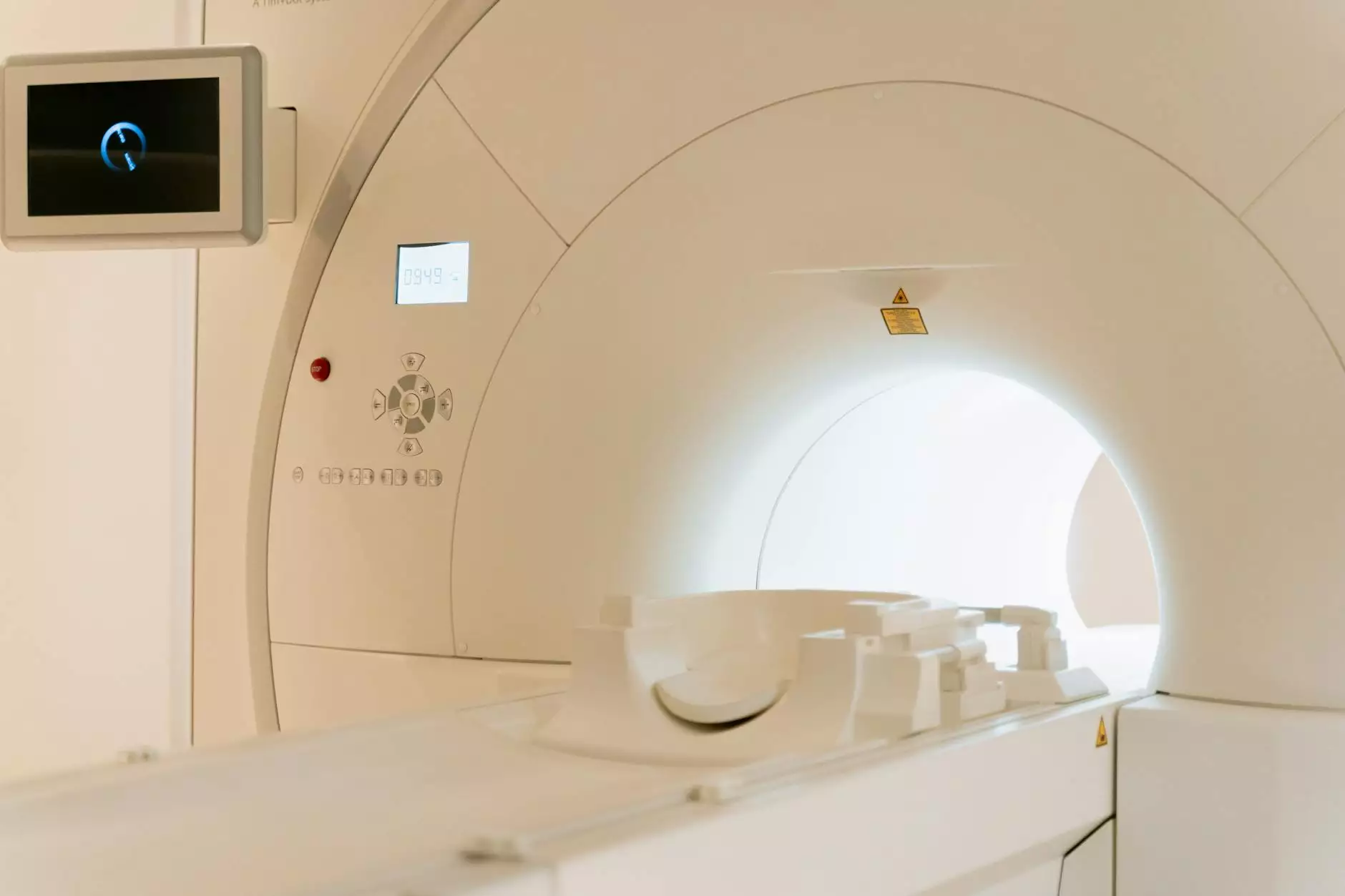
In the rapidly evolving landscape of health and medical services, the MRI service stands out as a cornerstone of accurate and non-invasive diagnostics. As healthcare providers strive for precision, speed, and patient comfort, magnetic resonance imaging (MRI) has become an indispensable technology within medical centers and diagnostic facilities worldwide. This comprehensive guide explores the importance of MRI services, their technological advancements, benefits, and the critical role they play in delivering exceptional patient care.
Understanding the Significance of MRI Service in Modern Medicine
Magnetic Resonance Imaging, commonly known as MRI, utilizes powerful magnetic fields and radio waves to generate detailed images of the body's internal structures. Its unparalleled ability to visualize soft tissues, organs, and vessels provides clinicians with vital diagnostic information that often cannot be obtained through other imaging modalities like X-rays or CT scans.
The emergence of advanced MRI service offerings has transformed the landscape of diagnostic services, allowing for early detection of health issues, guiding effective treatments, and monitoring disease progression with high precision. This technology is instrumental across multiple medical disciplines including neurology, cardiology, oncology, musculoskeletal, and abdominal imaging.
The Role of MRI Service in Enhancing Patient Outcomes
Superior Diagnostic Accuracy
MRI provides detailed images that make it possible to identify subtle anomalies and early-stage conditions. Whether it's detecting a small tumor, examining the integrity of the brain’s white matter, or assessing ligament injuries, MRI's high-resolution imaging ensures that healthcare practitioners have the most accurate information at their fingertips.
Non-Invasive and Safe Imaging Modality
Unlike X-ray or CT scans, MRI does not expose patients to ionizing radiation, making it a safer option for repeated imaging over time. This safety profile makes MRI services particularly valuable for vulnerable populations such as children, pregnant women, and patients requiring regular monitoring.
Comprehensive Visualization for Better Treatment Planning
Modern MRI service facilities utilize advanced imaging techniques like functional MRI (fMRI), diffusion tensor imaging (DTI), and contrast-enhanced MRI. These innovations enhance the ability to delineate complex anatomy and pathology, thereby enabling precise surgical planning, targeted therapies, and personalized treatment strategies.
Technological Innovations in MRI Services at Leading Medical Centers
High-Field Strength MRI Scanners
Today’s state-of-the-art MRI service centers employ high-field (3 Tesla and above) MRI machines that provide unparalleled image clarity. These powerful systems deliver higher signal-to-noise ratios, allowing for faster scans and higher resolution images that reveal minute details essential in early diagnosis.
Open MRI Systems for Patient Comfort
Innovation in MRI technology has led to the development of open MRI scanners, reducing claustrophobia and discomfort during imaging procedures. This advancement ensures broader patient accessibility, especially for those with anxiety, obesity, or physical disabilities.
Accelerated Imaging Techniques and AI Integration
Artificial intelligence and machine learning have revolutionized diagnostic services by enabling faster image reconstruction, enhanced image quality, and automated detection of abnormalities. Such technological integration significantly improves workflow efficiency and diagnostic confidence.
Benefits of Partnering with Reputable MRI Service Providers
- Enhanced Diagnostic Confidence: Accurate and detailed imaging results aid clinicians in making informed decisions.
- Patient-Centered Care: Comfort-oriented imaging procedures and shorter scan times improve patient satisfaction and compliance.
- Advanced Imaging Capabilities: Access to cutting-edge MRI modalities supports complex cases and specialized diagnostics.
- Streamlined Workflow: Efficient scheduling, reporting, and integration with electronic health records optimize operational efficiency.
- Safety and Compliance: Adherence to industry standards and ongoing staff training ensure safe and high-quality imaging services.
The Impact of MRI Service on Various Medical Specialties
Neurology and Brain Imaging
MRI's ability to visualize brain structures enables early detection of stroke, tumors, multiple sclerosis, and neurodegenerative diseases. Functional MRI further helps map brain activity, enhancing surgical planning for neurological interventions.
Oncology
In cancer diagnosis and management, MRI provides critical insights into tumor size, location, and spread without invasive procedures, facilitating targeted therapies and radiation planning.
Cardiology
Cardiac MRI assesses heart function, myocardial tissue characterization, and vascular abnormalities, providing comprehensive reviews for cardiovascular diseases that often require precise imaging for effective intervention.
Musculoskeletal and Orthopedic Imaging
MRI effectively visualizes ligaments, tendons, cartilage, and bone marrow, aiding in sports injury assessments, arthritis diagnosis, and pre-surgical planning for joint replacements.
Abdominal and Pelvic Imaging
It provides detailed visualization of organs such as the liver, kidneys, pancreas, and reproductive organs, helping diagnose conditions like tumors, infections, and inflammations with high accuracy.
Choosing the Right Medical Center for MRI Service
When seeking diagnostic services, selecting a healthcare provider with state-of-the-art MRI technology and a team of experienced radiologists is crucial. Consider the following factors:
- Technology and Equipment: Ensure the center utilizes high-field MRI scanners with up-to-date features.
- Accreditation and Quality Standards: Look for certifications and adherence to industry best practices.
- Expertise: Experienced radiologists and support staff enhance diagnostic accuracy and patient care.
- Patient Experience: Comfort-focused environment, minimal wait times, and clear communication improve satisfaction.
- Convenience and Accessibility: Flexible scheduling, location, and parking availability facilitate a smooth experience.
Future Trends in MRI Service and Diagnostic Imaging
Integrating AI and Deep Learning
AI-driven algorithms will increasingly assist in image analysis, anomaly detection, and predictive diagnostics, streamlining workflows and reducing interpretative errors.
Portable and Fast MRI Systems
Emerging portable MRI devices promise on-site imaging, especially in emergency, remote, or home care settings, broadening access to advanced diagnostics.
Personalized Imaging Solutions
Tailoring MRI protocols based on individual genetic, anatomical, and clinical profiles will enhance diagnostic precision and therapeutic outcomes.
Conclusion: Embracing Advanced MRI Service for Better Healthcare Outcomes
In today’s healthcare environment, a robust MRI service is critical in achieving rapid, accurate diagnoses and delivering personalized care. As technology continues to advance, medical centers that prioritize state-of-the-art imaging solutions will stand out in providing superior patient outcomes and fostering trust within their communities.
For organizations like Echo Magnet Services, offering cutting-edge MRI technology within their Health & Medical, Medical Centers, and Diagnostic Services categories positions them as leaders in modern healthcare. Embracing innovation, safety, and patient-centered approaches ensures not only better health outcomes but also a competitive edge in the dynamic landscape of medical diagnostics.
Investing in high-quality MRI service is not just about technology; it’s about enhancing lives through precise, compassionate, and innovative healthcare solutions.