Unlock the World of Lophophora for Sale: The Ultimate Guide to Growing, Buying, and Utilizing Peyote & Other Cacti
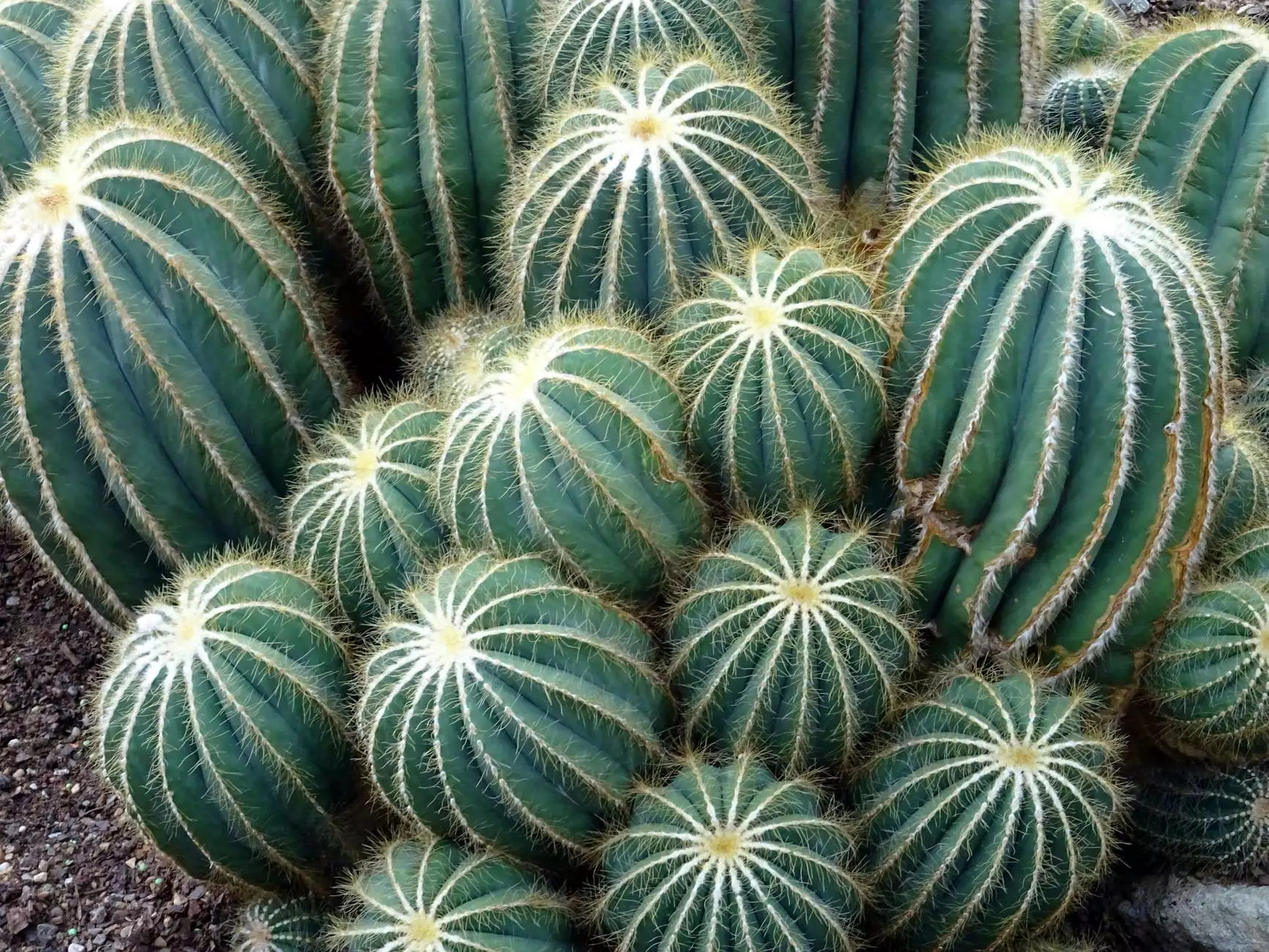
In the realm of unique botanical treasures, few plants evoke as much fascination and cultural significance as the lophophora. Known for its iconic appearance, spiritual importance, and cultivation challenges, the lophophora for sale represents not just a botanical commodity but a gateway to centuries-old traditions and modern-day horticultural pursuits. This comprehensive guide delves deep into the multifaceted universe of lophophora, covering everything from buying tips to cultivation practices, legal considerations, and spiritual applications.
Understanding Lophophora: A Botanical Marvel
Lophophora, particularly the species Lophophora williamsii—commonly known as Peyote—is a small, spineless cactus native to the southwestern United States and Mexico. Renowned for its psychoactive alkaloids, primarily mescaline, this cactus has been used for thousands of years by indigenous cultures for religious ceremonies and spiritual enlightenment.
Aside from its psychoactive properties, lophophora is admired for its striking appearance: smooth, fleshy, button-like growths that require specific care and conditions. Its unique shape and spiritual significance make it a highly sought-after plant among collectors, spiritual practitioners, and horticultural enthusiasts alike.
Where to Find Lophophora for Sale: Trusted Sources and Tips
When searching for lophophora for sale, quality and legality should be your top priorities. Reputable vendors provide healthy, genuine plants along with proper cultivation guidance, ensuring your investment is worthwhile and sustainable.
Top Places to Purchase Lophophora
- Specialized Cactus Nurseries: Proven and reliable, these nurseries often have a selection of mature and seed-grown lophophora plants. Look for reputable online providers with positive reviews and transparent descriptions.
- Online Botanical Marketplaces: Platforms like cactusmystics.com specialize in rare cacti, including various lophophora species. Always verify seller credentials before purchase.
- Local Herb & Garden Shops: Some dedicated botanical stores may stock lophophora or can order them upon request, especially in regions where their sale is legal.
- Plant Expos and Cactus Shows: Attending events focused on succulents and cacti allows firsthand inspection, expert advice, and networking with reputable vendors.
What to Look for When Buying
- Health and Appearance: The plant should have vibrant coloration, no signs of rot or pests, and firm, fleshy pads.
- Authenticity: Confirm species identification; Lophophora williamsii and Lophophora diffusa are common in the trade.
- Legality: Always verify local laws regarding cactus ownership and importation to avoid legal complications.
- Seller Reputation: Choose vendors with positive reviews and transparent policies on plant origin and cultivation guides.
Legality and Ethical Considerations in Buying Lophophora
It’s critical to acknowledge the legal landscape surrounding lophophora for sale. In many countries and U.S. states, possession and sale of Peyote and other mescaline-containing cacti are regulated or prohibited due to their psychoactive properties. Always check your local laws before purchasing or cultivating lophophora.
Aside from legality, ethical sourcing is paramount. Support vendors who cultivate their plants sustainably and avoid products that are wild-harvested or illegally obtained, helping to preserve natural populations and respect indigenous traditions.
Cultivating Lophophora: Tips for a Flourishing Plant
If you’re fortunate enough to acquire lophophora for sale, proper cultivation is essential for its health and potential spiritual or decorative use. Below are comprehensive tips for growing robust and vibrant lophophora plants.
Ideal Growing Conditions
- Soil: Well-draining cactus mix with coarse sand or perlite. Avoid heavy or clay soils that retain excess moisture.
- Lighting: Bright, direct sunlight for at least 4-6 hours daily. Indoors, place near south-facing windows or supplementary grow lights.
- Temperature: Warm temperatures between 70-90°F (21-32°C). Protect from frost and extreme cold conditions.
- Watering: During active growth, water sparingly—allow soil to dry completely between watering. Reduce watering in winter dormancy.
- Fertilization: Use dilute cactus fertilizer during the growing season to promote healthy development.
Propagation Methods
- Seeds: The most sustainable and rewarding method. Sow seeds in a sterile, well-draining soil mix and keep moist until germination.
- Offsets: Some lophophora plants produce offsets or pups, which can be carefully separated and replanted.
- Grafting: For rapid growth, grafting onto more vigorous rootstocks can be performed, although this is more advanced.
Common Challenges and Solutions
- Rotting: Overwatering or poor drainage leads to root rot. Always ensure proper soil and watering practices.
- Pests: Watch for mealybugs and spider mites. Use organic insecticides or neem oil for treatment.
- Sunburn: Gradually acclimate plants to intense sunlight to prevent sunburn, especially when moving from indoors to outdoors.
Spiritual and Cultural Significance of Lophophora
The use of lophophora, notably Peyote, extends beyond horticulture into the spiritual and cultural fabric of indigenous communities. For thousands of years, Native American tribes have used Peyote in sacred ceremonies to facilitate spiritual visions, healing, and community bonding.
Today, many individuals seek out lophophora for sale not only for their aesthetic appeal but also for spiritual growth, meditation, and self-discovery. It’s important to approach these plants with respect for their cultural roots and legal constraints. In some areas, religious exemptions allow for traditional use, but outside those contexts, legal restrictions apply.
Incorporating Lophophora into Your Garden and Spiritual Practice
Integrating lophophora into your personal space can be both a decorative and spiritual enhancement. Here are some ideas:
- Designing a Sacred Garden: Create a dedicated space with other spiritual plants, stones, and symbols to cultivate a meditative environment.
- Using in Rituals: With appropriate legal and cultural awareness, some practitioners utilize lophophora as part of ceremonies to deepen spiritual insights.
- Educational Purposes: Use cultivated plants to educate yourself and others about indigenous traditions, conservation, and responsible horticulture.
Choosing the Right Partner for Your Lophophora Journey: Cactusmystics.com
At cactusmystics.com, your trusted Spiritual Shop, customers find premium lophophora plants, seeds, and cultivation tools. We are committed to sustainable sourcing, legal compliance, and supporting your journey into plant cultivation and spiritual exploration.
From beginner-friendly seedlings to mature specimens, our selection caters to various needs and expertise levels. Our team provides detailed guidance on planting, care, and ethical considerations, ensuring your experience is successful and respectful of the plant’s cultural importance.
Conclusion: Embrace the Potential of Lophophora for Sale
Exploring the world of lophophora for sale opens doors to botanical beauty, spiritual depth, and cultural understanding. Whether you’re a seasoned grower, a spiritual seeker, or simply fascinated by this extraordinary cactus, responsible acquisition and cultivation can lead to a meaningful and rewarding experience.
Remember, always prioritize legality, sustainability, and respect for indigenous traditions. With proper knowledge and care, your journey into the universe of lophophora can be both enlightening and enriching, contributing positively to your environment and spiritual wellbeing.


